
Fountain Hills, Arizona
The door is heavy, the sun is relentless, and something finally gave.
Hale Garage Door Repair Service works on residential doors across Fountain Hills and the north-east Valley — broken springs, tired openers, frayed cables, doors off their track, and panels the Sonoran sun has been chalking since the day they went up.
Sunday – Friday 7:00 AM – 8:00 PM|Saturday 8:00 AM – 5:00 PM
Open seven days
Sunday to Friday, 7:00 AM – 8:00 PM. Saturday, 8:00 AM – 5:00 PM.
Quoted before we start
A price for the repair in front of us, given before a spanner comes out of the van.
Fountain Hills based
On East Shea Boulevard, working out across Scottsdale, Rio Verde and Cave Creek.
What we fix
Six repairs that cover most of what goes wrong out here
Nearly every call in Fountain Hills lands in one of these six. If yours does not, say what the door is doing and we will tell you honestly whether it is ours to fix.
Spring replacement
Torsion and extension springs, replaced in matched pairs and wound to the weight of the door they are actually lifting.
- A bang from the garage, then a door that will not lift
- A visible gap in the coil across the shaft
- The opener straining and reversing halfway up
Opener repair and install
Chain, belt and wall-mount units — logic boards, gear kits, travel limits, safety eyes, and full replacements when the repair no longer pays.
- The motor runs but the door does not move
- The door reverses a foot off the floor for no reason
- The remote works from inside but not from the driveway
Cable and drum repair
Frayed or jumped lift cables re-run, drums re-seated and re-set so both sides carry the same load.
- One corner of the door hangs lower than the other
- Loose cable coiled at the bottom bracket
- A grinding sound from one side as the door travels
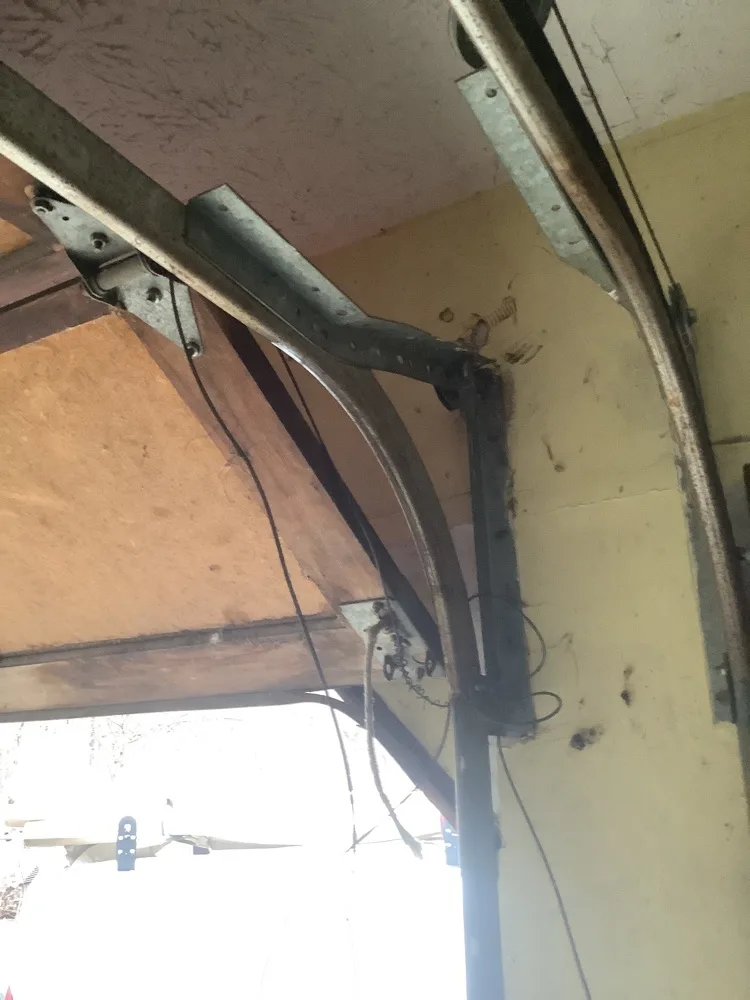
Off-track door realignment
Doors that have come out of the vertical track put back square, with the rollers, hinges and track bolts checked before it is run again.
- The door is jammed at an angle and will not go up or down
- A roller sitting outside the track
- A visible bend or flare in the vertical track
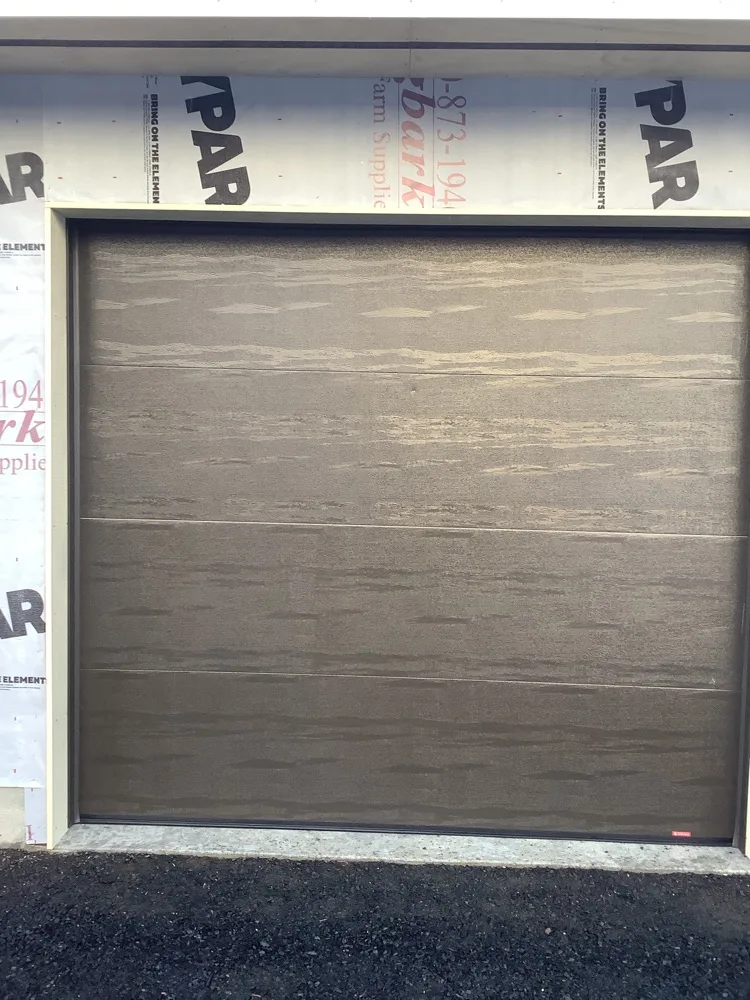
Panel and section replacement
Single sections matched and swapped where the rest of the door is sound, full replacement where it is not.
- A cracked or delaminating bottom section
- Paint chalked and flaking on the south-facing face
- A dented panel from a reversing car
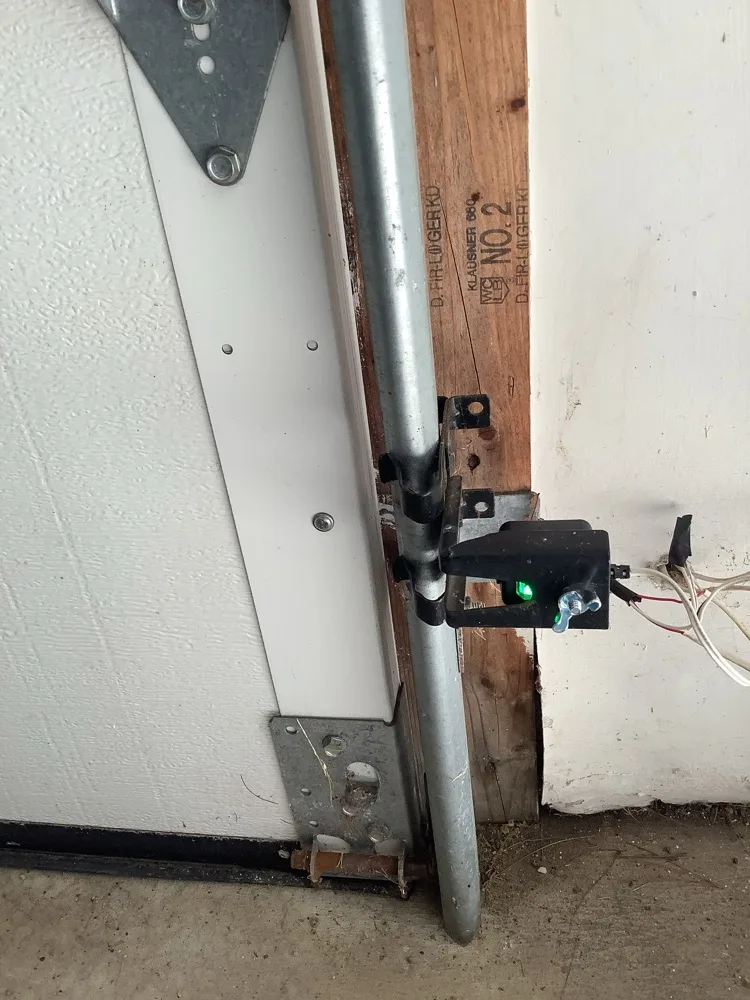
Weather-seal and roller tune-ups
Bottom seal, jamb seal and top seal renewed, rollers replaced, hardware re-torqued and the door re-balanced.
- Daylight along the bottom of a closed door
- Dust and grit blowing under after a storm
- A door that rattles or squeals through its travel
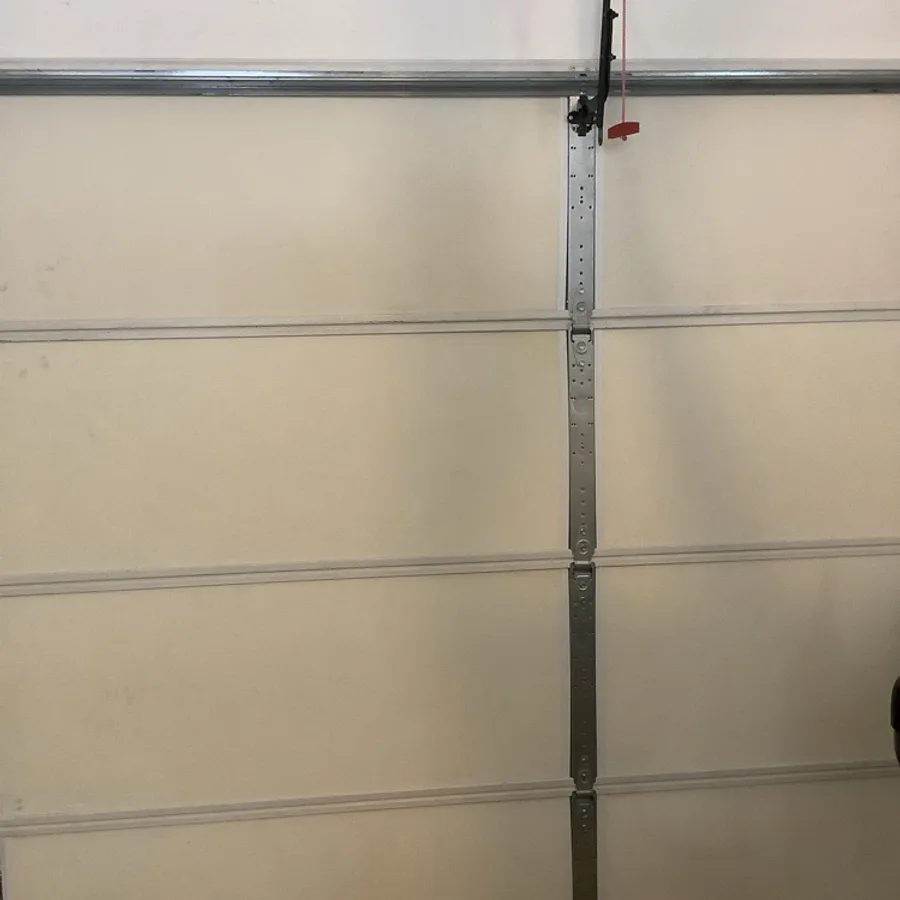
A garage door that is properly balanced will sit still halfway up with the opener disconnected. If it drops, the springs are the problem — not the motor everyone wants to replace.
Why Hale
We diagnose the door, not the symptom
A door that reverses on the way down sends most people shopping for an opener. More often than not it is a roller with a seized bearing, a jamb bracket that has walked loose, or safety eyes knocked half a degree out of line by a bin. Replacing the motor makes the fault disappear for a fortnight and then it comes back with a new receipt attached.
So the first thing we do on any visit is pull the release cord and run the door by hand. It takes two minutes and it tells us whether we are looking at a spring, a track, or a motor before anything gets quoted.
Built for this climate
Heat is the thing we plan around
Doors here do not wear out from being used. They wear out from sitting in 110-degree afternoons with a west face and an attic above them. Bottom seals go hard and split. Opener boards cook in ceilings that hold heat long after sundown. Steel skins expand and contract every single day and quietly back the hardware off.
That shapes what we carry and what we check. Seal by the roll, nylon rollers instead of steel, and a hardware re-torque on every visit whether it was the reason we came or not.
Straight answers
If replacing beats repairing, we say so
There is a point where a section swap on a twenty-year-old door stops being good value, and a point on the other side where a homeowner is being talked into a whole door they do not need. We will tell you which side of that line your door is on, with the reasoning, and we are content to be told no.
The quote comes before the work, it covers the repair in front of us, and it does not grow once the van doors are open.
Recent work
Doors, openers and the hardware behind them
A few of the things a Fountain Hills garage looks like once the panel is up and the cover is off.
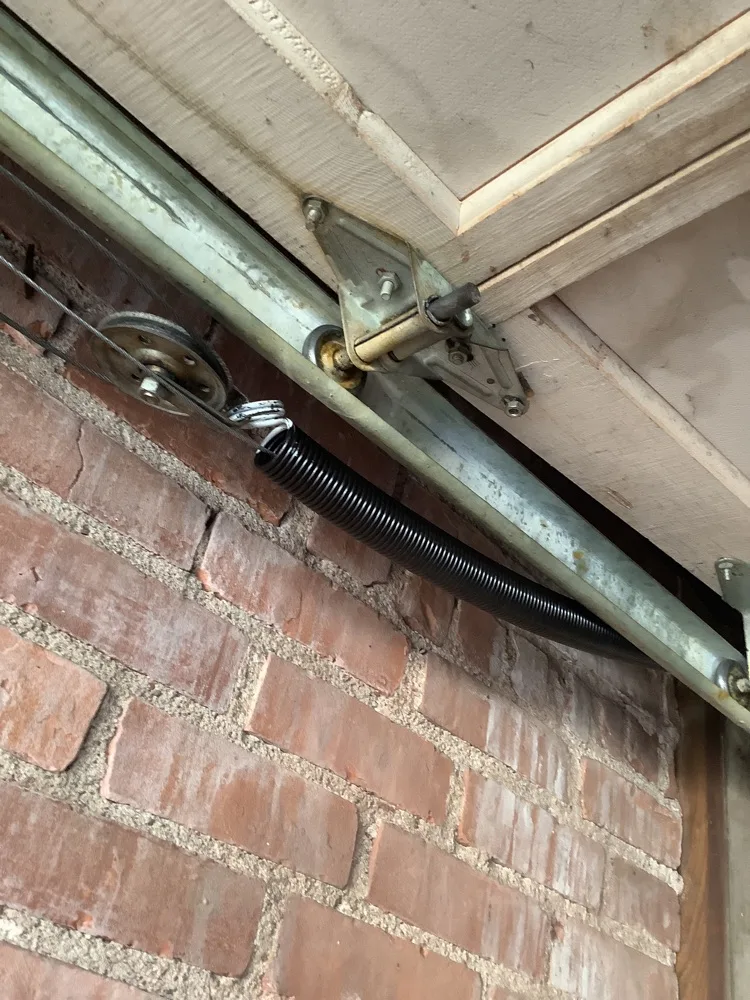
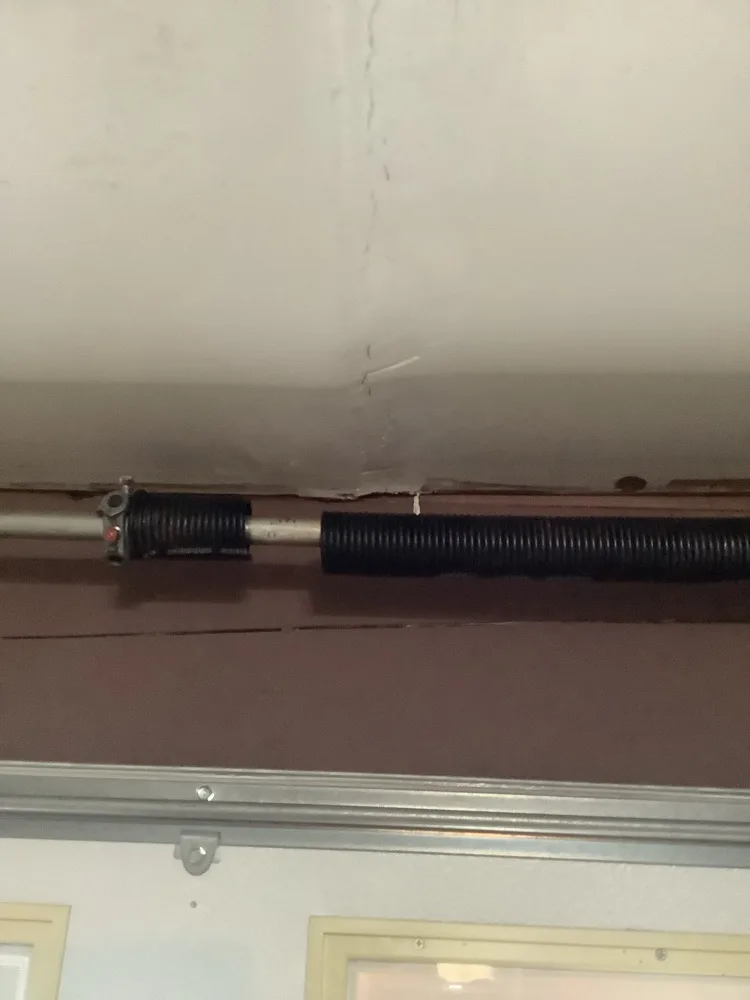
An extension spring and its pulley on an older brick-walled garage. The hook and the sheave wear out long before the spring loses its temper.
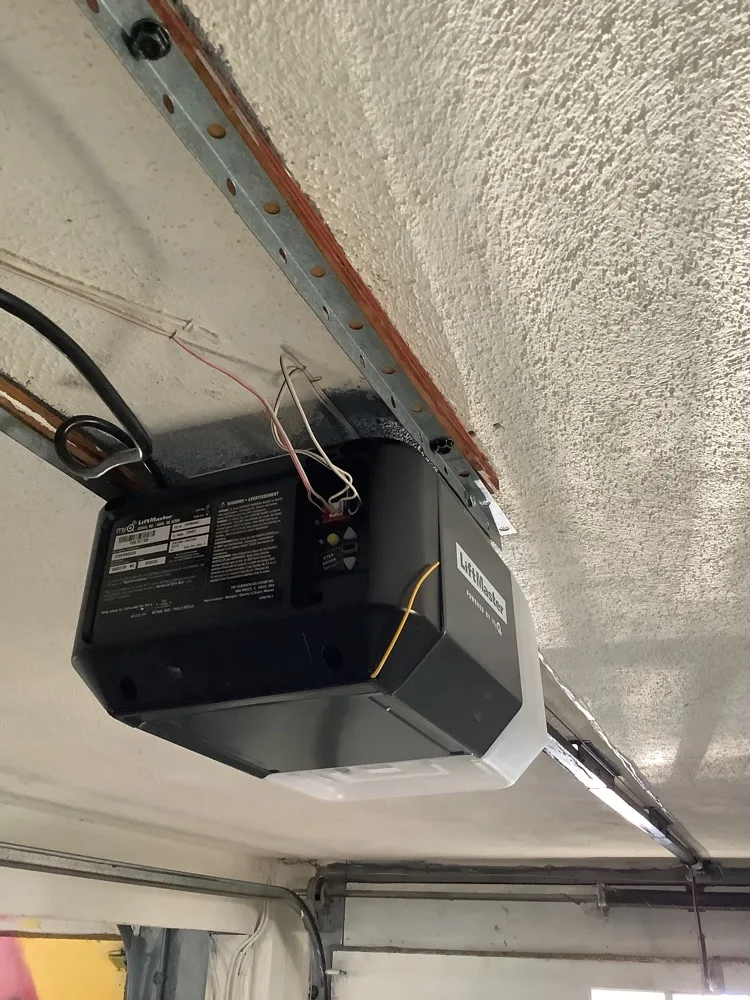
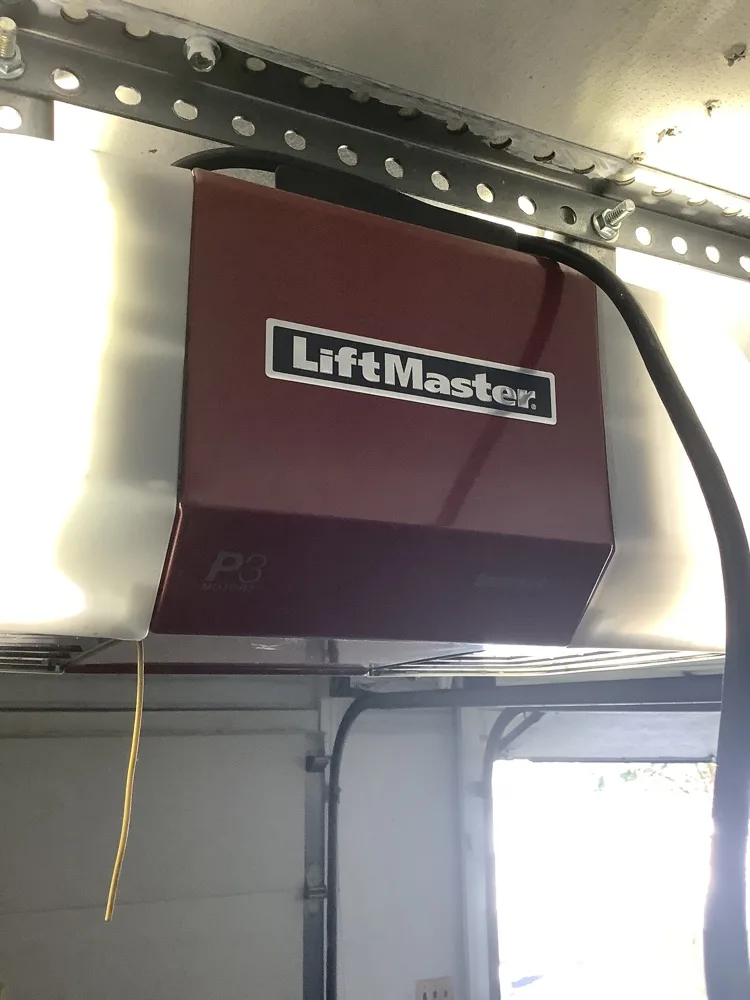
An opener head that has spent years in a ceiling that holds heat well past sundown. The board and the capacitor give up long before the motor does.
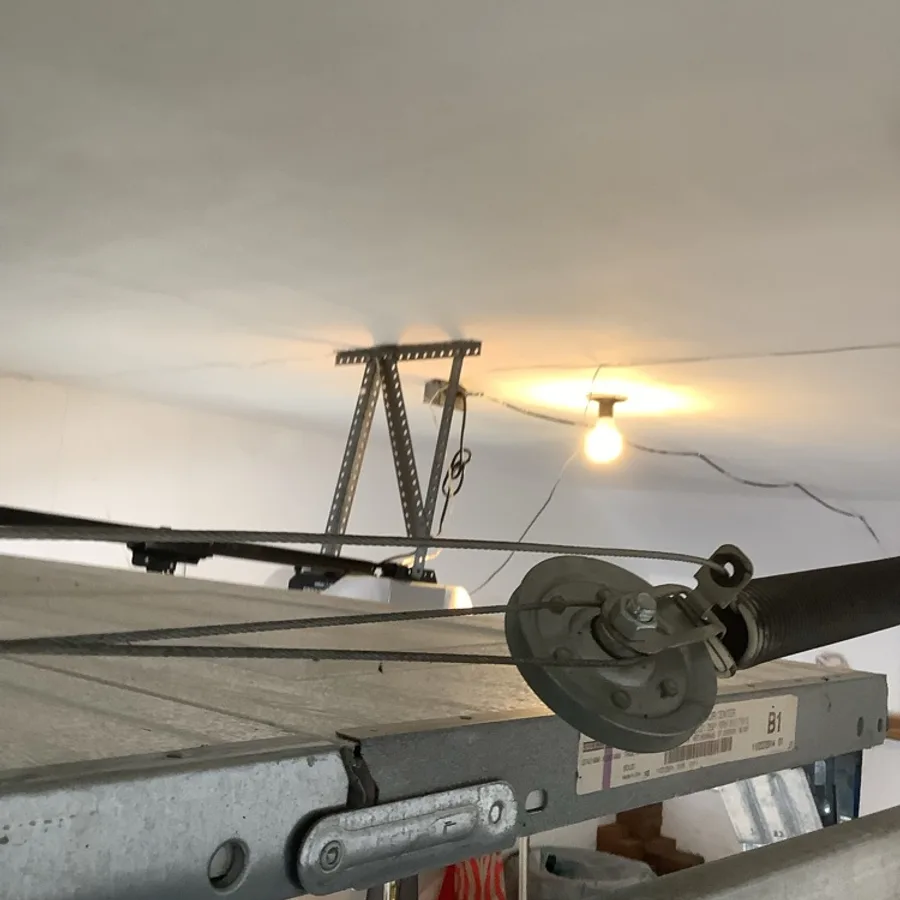
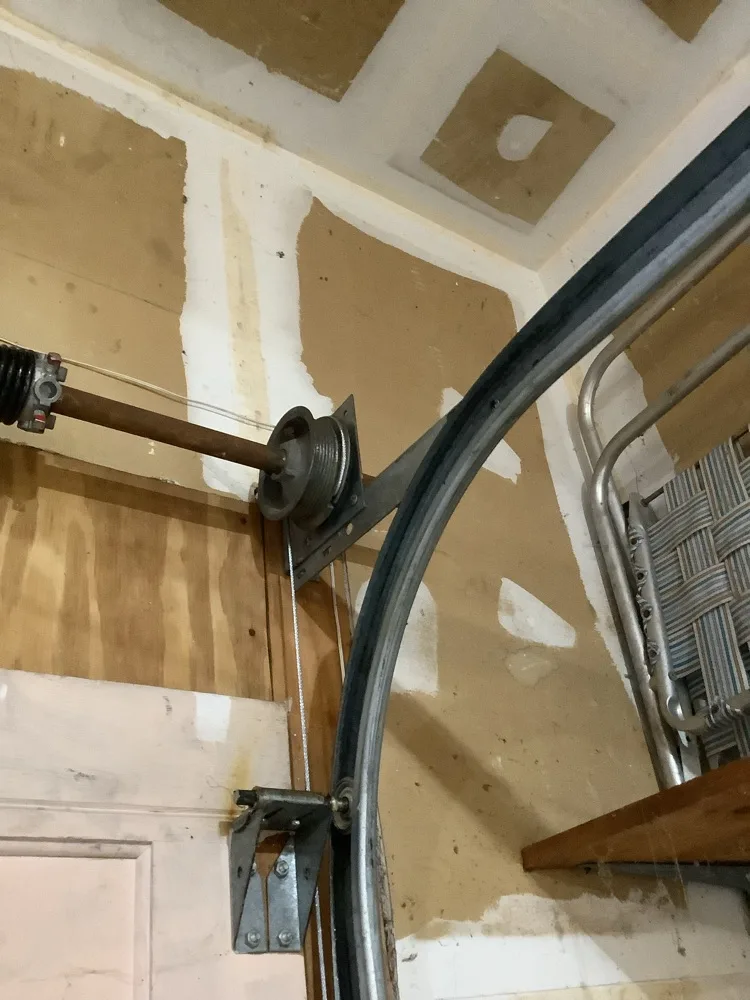
Drum and cables at the top corner of a door. Both sides have to be wound to the same length or the door hangs low on one end.
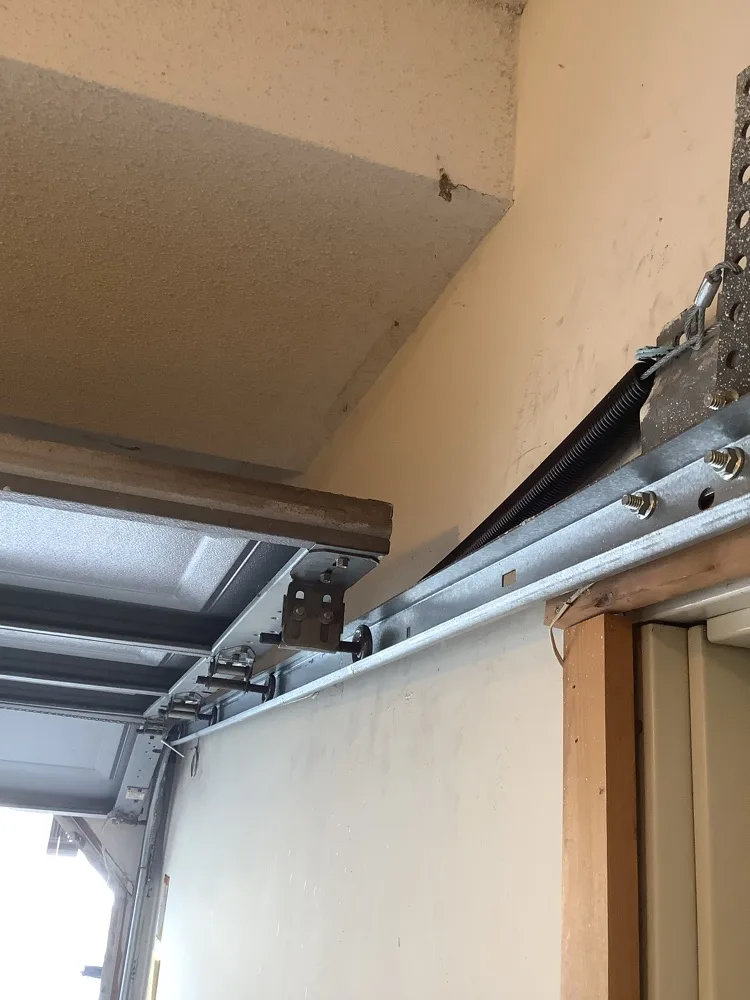
Horizontal track running back on its hangers. A bolt that has walked loose here is a common reason a door starts to bind.
Where we are
On Shea, in Fountain Hills
The shop sits on East Shea Boulevard, which is why most of Fountain Hills is a ten-minute run and Rio Verde, north Scottsdale and Cave Creek are all inside a comfortable morning. Parts for the common failures ride in the van.
16815 E Shea Blvd, Fountain Hills, AZ 85268
Get directionsTell us what the door is doing.
A description of the noise and when it started usually narrows it to one of three things before we leave the shop. Call, or send a message and we will come back to you.